
AWG
Definition: American Wire Gauge.
Related Links
American wire gauge – WikipediaAmerican Wire Gauge (AWG) Cable Conductor Size Chart / Table
What is AWG American Wire Gauge? SWG
Wire Gauge Sizes | AWG Wire Gauges
Wire Gauge Sizes and the American Wire Gauge (AWG) | Learning Center | Sonic Electronix
Wire Gauge Standards | Cable Gauge | American Wire Gauge (AWG)
Related Videos

American wire gauge

WHAT GAUGE (AWG) WIRE TO USE FOR A MULTIROTOR?

How to Convert AWG - American Wire Gauge to Diameter and Metric
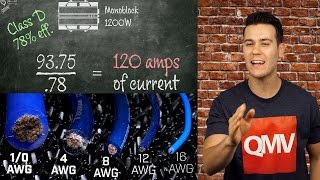
Power, Ground and Speaker Wires - What Wire Gauge Should You Use?
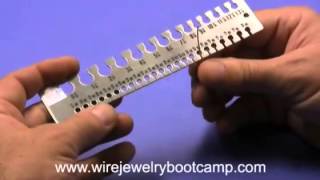
How to Use a Wire Gauge Tool
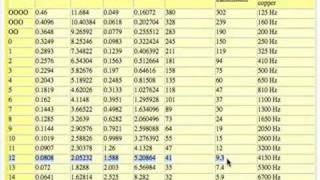
What Wires should I use?
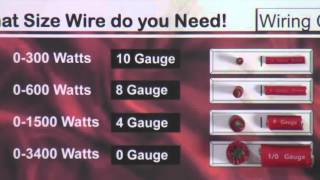
Install Tips: What Size Power Wire Do I Need?
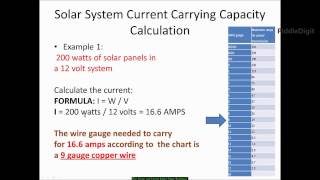
The Wire Gauge and Current Limits Chart: Explained
American wire gauge Meaning
American Wire Gauge (AWG) Standards - A GalcoTV Tech Tip
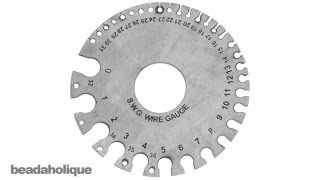
How to Use a Wire Gauge Tool
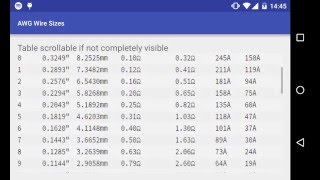
AWG Wire Sizes

Wire size vs. amperage
What I had to teach myself: types and sizes of electrical cable
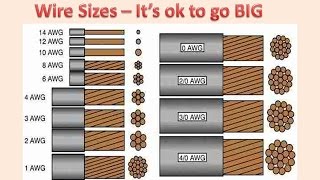
What Size Wire Do I Use To Wire My Solar Components? Does Wire Size Matter?
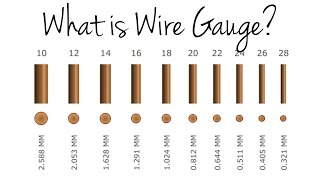
What is Wire Gauge?
Test of 10, 12 and 24 gauge wires at 100A !!
-
American wire gauge
-
WHAT GAUGE (AWG) WIRE TO USE FOR A MULTIROTOR?
-
How to Convert AWG - American Wire Gauge to Diameter and Metric
-
Power, Ground and Speaker Wires - What Wire Gauge Should You Use?
-
How to Use a Wire Gauge Tool
-
What Wires should I use?
-
Install Tips: What Size Power Wire Do I Need?
-
The Wire Gauge and Current Limits Chart: Explained
-
American wire gauge Meaning
-
American Wire Gauge (AWG) Standards - A GalcoTV Tech Tip
-
How to Use a Wire Gauge Tool
-
AWG Wire Sizes
-
Wire size vs. amperage
-
What I had to teach myself: types and sizes of electrical cable
-
What Size Wire Do I Use To Wire My Solar Components? Does Wire Size Matter?
-
What is Wire Gauge?
-
Test of 10, 12 and 24 gauge wires at 100A !!
What AWG means and why it matters for your training
AWG stands for American Wire Gauge. It is the standard system used in the United States to measure the diameter of electrical wire. The higher the AWG number, the thinner the wire. A 14 AWG wire is thinner than a 10 AWG wire. That feels backward at first, but you will use this system every day in electrical work, so it becomes second nature quickly.
Every electrician, apprentice, and electrical student needs to know AWG. Inspectors check it. The National Electrical Code (NEC), which is the set of rules that governs electrical installations across the country, requires specific wire gauges for specific jobs. If you use the wrong gauge, a circuit can overheat or fail inspection.
How the AWG system works
The AWG scale runs from 0000 (written as 4/0) down to 40. Wire at 4/0 is very thick and carries a lot of current. Wire at 40 is extremely thin and is used in small electronics. For the electrical work you will do in homes and commercial buildings, you will mostly work with wire between 14 AWG and 2/0 AWG.
The relationship between gauge, diameter, and current
Each step down in AWG number increases the wire’s cross-sectional area by about 26 percent. That larger area means the wire can carry more electrical current, called ampacity. Ampacity is the maximum amount of current a wire can carry safely without overheating.
Here is a practical way to think about it. A 14 AWG copper wire is rated for 15 amps under typical conditions. A 12 AWG wire handles 20 amps. A 10 AWG wire handles 30 amps. These numbers matter when you are sizing a circuit for a kitchen, a workshop, or an air conditioning unit.
Copper versus aluminum wire
Most residential wiring in the US uses copper. Aluminum wire is lighter and costs less, so it is common in large feeders and service entrance cables. Aluminum conducts electricity well, but it has a lower ampacity than copper wire of the same gauge. That is why an aluminum wire must be one size larger than a copper wire to carry the same load. For example, where you might use 10 AWG copper, you would need 8 AWG aluminum.
Knowing the difference between copper and aluminum ampacity tables is a real skill tested in electrician licensing exams.
Common AWG sizes and their everyday uses
You will see certain wire gauges come up again and again on job sites. The table below gives you a plain-language reference.
- 14 AWG: Standard 15-amp branch circuits. Used for lighting and general outlets in living rooms and bedrooms.
- 12 AWG: Standard 20-amp circuits. Kitchen outlets, bathroom outlets, and garage receptacles usually require this size.
- 10 AWG: 30-amp circuits. Common for electric dryers and large window air conditioners.
- 8 AWG: 40-amp circuits. Used for electric ranges and large HVAC equipment.
- 6 AWG: 55-amp circuits. Found in subpanels and some EV (electric vehicle) charging installations.
- 4 AWG: 70-amp circuits. Service entrance feeders and large subpanels.
- 2/0 AWG: 175-amp service conductors. Used in residential service entrances and larger commercial feeders.
These ratings apply to copper wire in conduit at standard temperatures. Always check the NEC ampacity tables and your local code before finalizing a wire size on any real installation.
AWG in the NEC and electrical inspections
The NEC does more than suggest wire sizes. It sets minimum requirements. When you pull a permit and an inspector visits, they will check that the wire gauge matches the breaker size and the load. A 20-amp breaker on 14 AWG wire is a code violation. It is also a fire risk.
You will learn to read NEC ampacity tables, like Table 310.16, during your apprenticeship or electrical program. That table shows the ampacity of different wire gauges in different installation conditions. Temperature rating of the insulation matters. The number of conductors bundled together matters. Your training program will walk you through all of it.
Derating: when you have to go larger
Derating means reducing the allowed ampacity of a wire because of conditions that cause extra heat. If you run more than three current-carrying conductors in a conduit, you must derate. If the ambient temperature where the wire is installed is high, you must derate. Derating often means you need a larger AWG wire than the basic chart suggests.
This is one reason why electrical work requires real training. You are not just matching a number on a chart. You are reading conditions on site and applying code rules correctly.
How AWG knowledge fits into your electrician training
If you are thinking about becoming an electrician, AWG is one of the foundational topics you will study in your first semester. Electrical programs cover it alongside Ohm’s Law, circuit theory, and basic wiring methods. It comes up again in every level of an apprenticeship.
Most electricians in the US start through one of two paths. The first is a community college or trade school program that gives you the classroom theory, often leading to an associate degree or a certificate. The second is an apprenticeship sponsored by a union or a contractor association, where you earn while you learn over four or five years.
What apprentices learn about wire sizing
In a Joint Apprenticeship Training Committee (JATC) program, which is the training arm of the International Brotherhood of Electrical Workers (IBEW), you study wire sizing in your first year. You read the NEC, practice conductor calculations, and apply what you learn on actual job sites alongside a journeyman electrician. By the time you finish, sizing wire correctly is just part of how you think.
Non-union apprenticeships through groups like the Independent Electrical Contractors (IEC) follow a similar curriculum. The NEC is the shared standard across all programs.
Licensing exams and wire gauge questions
Most states require electricians to pass a licensing exam before they can work independently as a journeyman or master electrician. Those exams test AWG knowledge directly. You will see questions about conductor ampacity, derating, wire sizing for specific loads, and material comparisons between copper and aluminum. Studying AWG is not just classroom busywork. It is exam prep.
Tools you use to identify and work with AWG wire
On the job, you will use a few basic tools to work with wire gauge.
Wire strippers
Wire strippers have labeled notches for each AWG size. Using the wrong notch nicks the conductor or leaves insulation on the wire. You will quickly learn to match the tool to the gauge by feel and habit.
Wire gauge tools
A physical wire gauge tool is a small metal disc with slots cut to each AWG size. You slide the wire into slots until you find the one that fits snugly. This is useful when you are working with unmarked wire and need to confirm its size before connecting it.
Multimeters and clamp meters
A multimeter measures voltage, current, and resistance. A clamp meter measures current flowing through a wire without cutting into it. Both tools help you verify that a wire is carrying the load it was sized for, not more.
Moving from AWG basics to a full electrical career
Understanding AWG is a starting point. The electrical trade builds on that foundation with topics like conduit fill calculations, load calculations, motor wiring, grounding systems, and three-phase power. Each topic adds to what came before.
The path from student to licensed electrician takes time. Most journeyman programs take four to five years. A master electrician license, which lets you run your own electrical contracting business, requires additional experience and a more advanced exam in most states.
If you already have some construction experience or a background in a related trade, some programs may give you credit for prior learning. Ask any program you contact whether they have a process for evaluating previous experience.
Online versus in-person training
Some community colleges offer the theory portion of electrical training online. Wire sizing, code reading, and circuit calculations work well in an online format. The hands-on work, conduit bending, panel wiring, and blueprint reading, still requires time in a lab or on a job site. Most programs combine both.
If you are balancing work or family, an online or hybrid electrical program may fit your schedule better than a full-time on-campus option. Check whether each program is accredited and whether its credits transfer if you decide to continue your education later.
Next steps
If AWG and the broader electrical trade interest you, the next step is finding a program that fits your schedule, location, and budget. Community college electrical programs, IBEW apprenticeships, IEC apprenticeships, and private trade schools all teach the same core NEC content. What differs is cost, time commitment, and whether you earn wages during training.
Use the program information on this site to compare options in your area. Look at program length, tuition, and whether the school has relationships with local contractors who hire graduates. Then reach out directly to the programs that look like a good fit and ask about their application process and start dates.


