
Dielectric Strength
Definition: The maximum voltage an insulation system can withstand before breakdown, expressed in volts per mil of insulation thickness.
Related Links
FAQ: What is dielectric strength | Eland CablesDielectric strength – Wikipedia
Dielectric Strength ASTM D 149 IEC 80243
Dielectric strength | Define Dielectric strength at Dictionary.com
Dielectric Strength
Dielectric strength definition and meaning | Collins English Dictionary
What is difference between dielectric strength and dielectric constant? – Quora
dielectric strength test; Sefelec : Policy Quality
Related Videos

Insulators - Dielectric Breakdown, Dielectric Strength, Dielectric Loss

Di-Electric Strength of Insulator

Dielectric Strength Demo: Van de Graaff Generator
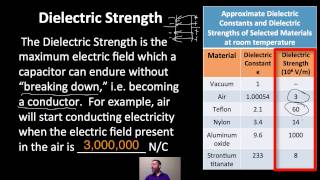
16.14 Dielectric Strength and Electolytic Capacitor Dangers

Dielectrics in capacitors | Circuits | Physics | Khan Academy
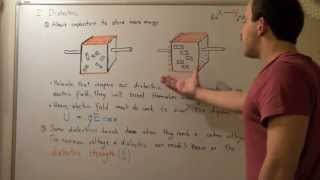
Dielectrics and Dielectric Constant
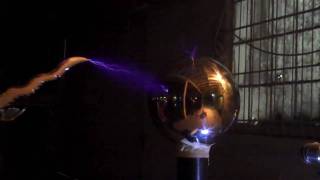
What is the dielectric strength of masking tape?
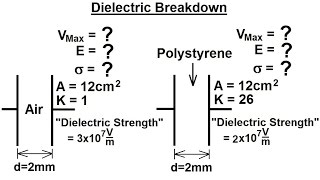
Physics - E&M: Capacitors & Capacitance (35 of 37) Dielectric Breakdown
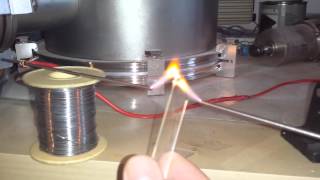
High voltage dielectric breakdown of glass
-
Insulators - Dielectric Breakdown, Dielectric Strength, Dielectric Loss
-
Di-Electric Strength of Insulator
-
Dielectric Strength Demo: Van de Graaff Generator
-
16.14 Dielectric Strength and Electolytic Capacitor Dangers
-
Dielectrics in capacitors | Circuits | Physics | Khan Academy
-
Dielectrics and Dielectric Constant
-
What is the dielectric strength of masking tape?
-
Physics - E&M: Capacitors & Capacitance (35 of 37) Dielectric Breakdown
-
High voltage dielectric breakdown of glass
What dielectric strength means in practice
Dielectric strength is the maximum electric field a material can handle before it breaks down and starts conducting electricity. It is measured in volts per unit of thickness, most often kilovolts per millimeter (kV/mm) or volts per mil (V/mil). Once a material is pushed past that point, it fails. Current flows where it should not, and the insulation is gone.
If you are studying electrical work, understanding this number matters from day one. Electricians, lineworkers, and electrical engineers all make decisions based on whether a material will hold up under voltage. Dielectric strength is one of the core tests that tells you the answer.
How dielectric strength is tested
The standard test for dielectric strength comes from ASTM D149. In that test, a voltage is applied across a flat sample of insulating material. The voltage rises until the material fails. The point of failure is recorded. That reading, divided by the thickness of the sample, gives you the dielectric strength value.
Short-time test vs. step-by-step test
There are two main ways to run the test. The short-time test ramps voltage up quickly in one continuous sweep. The step-by-step test raises voltage in equal increments and holds each level for a set time before moving up. The step-by-step method usually gives a lower result because the material is stressed longer at each level. Manufacturers often specify which method was used, so always check that detail when comparing materials.
What affects the test result
Temperature changes the result. Most materials lose dielectric strength as temperature rises. Moisture matters too. A dry sample will almost always test higher than a sample that has absorbed humidity. Sample thickness also plays a role. Thicker samples tend to give lower dielectric strength values per unit of thickness, which is why test reports always list the exact thickness used.
Common dielectric strength values by material
Different materials have very different ratings. Knowing the range helps you understand why certain materials are used in certain jobs.
Air
Air has a dielectric strength of roughly 3 kV/mm under standard conditions. That is low compared to solid insulators. Lightning rods and high-voltage transmission lines rely on keeping conductors separated by large air gaps to compensate for that low value.
Rubber and silicone
Natural rubber typically rates between 12 and 20 kV/mm. Silicone rubber runs higher, often in the range of 15 to 25 kV/mm. Both materials are used in insulating gloves and cable jackets. The exact rating depends on the compound formula and how the material was cured.
Polyethylene and PVC
Cross-linked polyethylene (XLPE), which is the insulation used in most modern power cables, rates between 18 and 25 kV/mm. PVC, used in common household wiring, runs between 10 and 20 kV/mm depending on the formulation. XLPE holds up better at higher temperatures, which is why it replaced PVC in many power distribution applications.
Transformer oil
Mineral oil used in transformers typically tests at 10 to 15 kV/mm when new and clean. That value drops sharply if water or particles contaminate the oil. Utilities test transformer oil regularly to check that the dielectric strength has not fallen below safe operating levels.
Epoxy and glass fiber laminates
Epoxy resins used in switchgear and circuit boards often rate between 15 and 20 kV/mm. FR4, the glass-epoxy laminate used in printed circuit boards, typically tests around 20 kV/mm. These materials are chosen because they combine good mechanical strength with solid insulating performance.
Why dielectric strength matters on the job
When you wire a panel, install cable, or work on a transformer, you are counting on insulating materials to hold back voltage. If the insulation was not rated for the voltage in that system, it will fail. That failure can mean a short circuit, a fire, or an arc flash that puts lives at risk.
Electricians use the National Electrical Code (NEC) to select cables and devices rated for the voltage in a given circuit. Those ratings exist because engineers tested the insulating materials and confirmed the dielectric strength values. The NEC does not ask you to run tests yourself. But knowing what the numbers mean helps you understand why you cannot substitute a lower-rated cable and call it good enough.
Personal protective equipment (PPE) ratings
Rubber insulating gloves are rated by voltage class. Class 00 gloves are rated for systems up to 500 volts. Class 4 gloves handle up to 36,000 volts. Those class ratings come directly from dielectric strength testing. ASTM F496 sets the retesting schedule for gloves already in service. If you work in the trades, you need to know when your gloves were last tested and what class they carry.
Cable selection for high-voltage systems
Medium-voltage cables, those used in systems from 1 kV to 35 kV, require insulation with a dielectric strength well above the operating voltage. Engineers build in a safety factor. A cable rated for 15 kV is insulated to handle much higher voltages before breakdown, because real operating conditions include voltage spikes and surges that exceed the nominal rating.
Dielectric strength vs. related electrical properties
Dielectric strength is one property among several that describe how an insulator behaves. Knowing how they differ helps you read data sheets without confusion.
Dielectric constant
The dielectric constant, also called relative permittivity, measures how much a material concentrates an electric field compared to a vacuum. A high dielectric constant means the material stores more electrical energy. This matters in capacitor design. Dielectric strength and dielectric constant are separate properties. A material can have a high dielectric constant and a moderate dielectric strength, or vice versa.
Volume resistivity
Volume resistivity measures how strongly a material resists current flow through its bulk. A good insulator has very high resistivity. Dielectric strength measures the point of catastrophic failure. Both matter for insulation design, but they describe different behaviors.
Dielectric loss
Dielectric loss refers to energy that a material absorbs and converts to heat when an alternating electric field passes through it. High dielectric loss raises the temperature of insulation during operation. That heat can eventually degrade the material and lower its dielectric strength over time.
How training programs cover dielectric strength
Electrical apprenticeship programs and electrical technology courses at community colleges both include instruction on insulation and dielectric properties. You typically see this topic in a circuits or electrical materials course early in a program.
Apprenticeship programs registered with the Department of Labor combine classroom hours with on-the-job training. The classroom portion covers electrical theory, including insulation ratings and why they exist. The field portion puts you alongside a journeyman electrician who applies those concepts every day.
If you are considering a formal program, look for ones that cover the NEC in detail. The NEC references insulation ratings throughout. A program that teaches you to read and apply the NEC is one that is treating dielectric strength as practical knowledge, not just test preparation.
What to look for in an electrical program
Ask whether the program covers both AC and DC theory. Ask whether students work with real equipment or only textbook problems. Ask whether the curriculum is updated to current NEC editions. The NEC is revised every three years. A program still teaching an outdated edition is worth a closer look before you commit.
Next steps
If you are ready to turn this kind of knowledge into a career, the right place to start is an accredited electrical training program. Community college electrical technology programs and registered apprenticeships both build on the fundamentals you are reading about here. Browse the electrical training programs listed on this site to find options that fit your schedule, location, and goals.


